





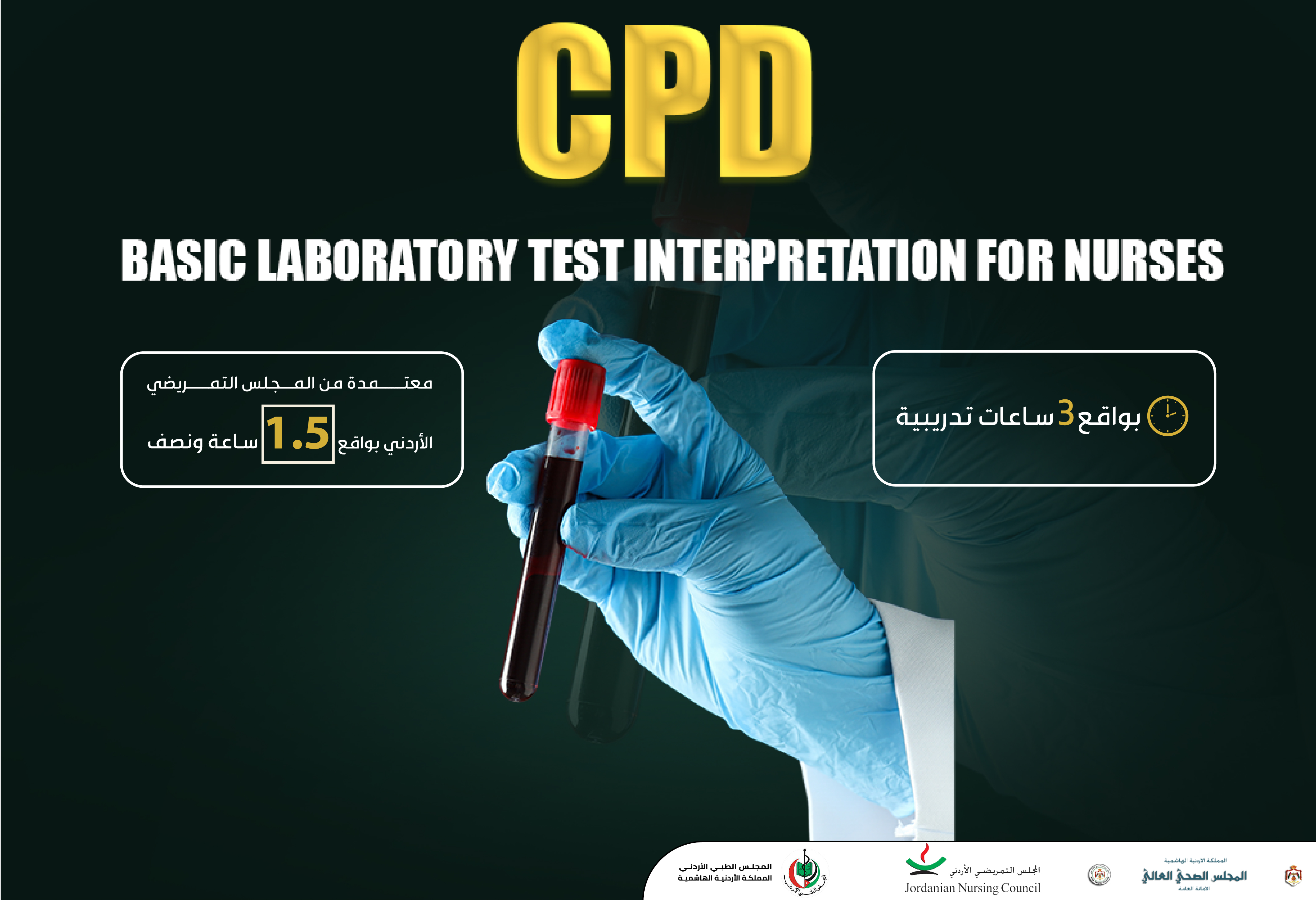
Basic Laboratory Test Interpretation Course

Instructor
About This Course
About This Course
Accurate interpretation of laboratory results is essential for safe and effective clinical decision-making. Laboratory investigations guide diagnosis, monitoring, and treatment, yet misinterpretation or failure to recognize critical abnormalities can lead to delayed intervention and patient harm.
This CPD course is designed to equip healthcare professionals with a structured, clinically focused approach to interpreting commonly requested laboratory tests and integrating findings into real-world patient care.
The course emphasizes pattern recognition rather than memorization, enabling participants to interpret results safely and efficiently. It begins with pre-analytical considerations, including sample quality, common sources of error, and factors that may produce misleading results.
Participants will then develop a systematic approach to interpreting key laboratory panels, including:
- Complete Blood Count (CBC) and anemia patterns
- White blood cell differential and infection patterns
- Platelet interpretation and bleeding risk
- Electrolytes and critical imbalances (e.g., sodium, potassium)
- Renal function tests and acute kidney injury patterns
- Liver function tests and pattern recognition (hepatocellular vs cholestatic)
- Coagulation profiles (PT/INR, aPTT)
- Inflammatory markers (CRP, ESR, procalcitonin)
- Cardiac markers (troponin)
- D-dimer interpretation and clinical application
- Urinalysis and infection vs contamination
- Basic arterial blood gas (ABG) interpretation
Special emphasis is placed on recognizing critical laboratory red flags, understanding when results do not match the clinical picture, and applying appropriate escalation pathways.
As highlighted in the course material, safe laboratory interpretation requires not only reading values but also correlating results with clinical context, trends, and patient presentation.
This course integrates evidence-based principles, practical clinical frameworks, and real-case scenarios to improve diagnostic accuracy, clinical reasoning, and patient safety.
What You Will Receive
- Structured CPD training in laboratory test interpretation
- Clinically focused, pattern-recognition approach
- Step-by-step frameworks for interpreting lab results
- Practical guidance on identifying critical abnormalities
- Case-based clinical reasoning scenarios
- End-of-course assessment (MCQ-based)
- CPD certificate upon completion
Learning Objectives
By the end of this course, participants will be able to:
- Apply a structured approach to interpreting laboratory investigations
- Identify common pre-analytical errors and their clinical impact
- Interpret CBC results using a systematic sequence
- Recognize anemia patterns and infection indicators
- Identify electrolyte abnormalities and associated clinical risks
- Interpret renal function and recognize acute kidney injury patterns
- Differentiate liver function test patterns (hepatocellular vs cholestatic)
- Interpret coagulation profiles and bleeding risks
- Apply clinical reasoning to inflammatory and cardiac markers
- Interpret urinalysis findings and differentiate contamination from pathology
- Perform basic ABG interpretation using a structured approach
- Recognize critical laboratory red flags requiring urgent action
- Correlate laboratory findings with clinical presentation
- Apply structured communication (SBAR) for escalation
Target Audience
This course is designed for:
- Doctors and physicians
- Nurses and nurse practitioners
- Dentists involved in clinical care
- Pharmacists and clinical pharmacists
- Laboratory and diagnostic staff
- Emergency and critical care professionals
- Allied healthcare professionals
Requirements

Trusted Companies
+3200 Companies trusted our courses for their staff tutoring

FAQ
Check the frequently asked questions about this course.
Curriculum Overview
This course includes 1 modules, 4 lessons, and 0 hours of materials.
This assessment evaluates participants’ ability to interpret basic laboratory results using a structured, clinically focused approach. It covers key areas including CBC interpretation, electrolytes, renal and liver function, coagulation, urinalysis, and acid–base balance. The quiz emphasizes pattern recognition, clinical correlation, and safe decision-making in real practice scenarios.
Course Certificate
This Course Includes
Course Specifications
_ydf.jpg)
Contact US


Reply to Comment